


Investing in Emerging Energy Technologies: Market Trends, Risks, and Forecasts


As the world accelerates its shift toward cleaner, smarter, and more resilient energy, emerging energy technologies are reshaping markets, investments, and global power systems.
From renewable energy sources like solar and wind to advanced battery storage, hydrogen solutions, and grid-scale AI optimization, new technologies are rapidly redefining how energy is produced, stored, and used.
For businesses, investors, and policymakers, understanding these innovations through energy market analysis is no longer optional—it is essential.
And with the right research partner, you get to discover it in greater depth. In this blog, we will discuss everything you need to know before investing in this field and explain why partnering with specialized research companies is essential for making confident, data-driven decisions.
What Are Emerging Energy Technologies?
As you already know, “technological advancement and population growth, powered by the exploitation of fossil fuels, have led to a 68% rise in atmospheric CO₂.”
In the current global climate crisis, emerging energy technologies refer to next-generation systems and innovations that improve efficiency, reduce carbon emissions, increase grid reliability, and create new value streams for energy producers and consumers. These include:
Advanced Wind and Solar Systems
Grid-Scale Battery and Energy Storage Solutions
Green Hydrogen Production & Fuel Cells
Smart Grid and Energy Internet Platforms
AI-Driven Energy Optimization, Predictive Analytics
Carbon Capture and Utilization Technologies
These technologies are not just future concepts; they are already influencing utility decisions, corporate energy strategies, and infrastructure investments worldwide.
Key Emerging Energy Technologies to Watch
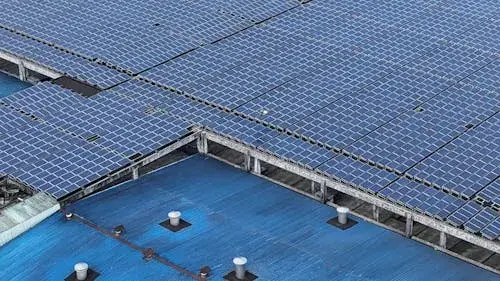
Solar power remains a cornerstone of renewable energy, but new materials like perovskite are boosting efficiency, lowering costs, and expanding deployment potential in both residential and utility-scale installations.
Next-Generation Wind Turbines
From floating offshore platforms to taller, lighter rotor designs, wind energy technology continues to evolve—unlocking high-wind zones previously inaccessible to traditional turbines.
Battery Storage and Grid-Scale Solutions
Battery energy storage systems (BESS) are transforming intermittent renewable generation into dispatchable power. Advances in solid-state batteries and long-duration storage are expanding reliability across hours, days, and seasonal demand cycles.
Green Hydrogen and Fuel Cells
Hydrogen produced with zero carbon emissions—green hydrogen—is emerging as a critical fuel for industrial sectors, heavy transport, and seasonal energy storage. Coupled with fuel cell technologies, hydrogen solutions may solve challenges that batteries cannot.
AI and Smart Grid Platforms
Artificial intelligence isn’t just a buzzword—it is actively optimizing load forecasting, grid balancing, predictive maintenance, and market bidding strategies. The digital grid is now a vital component of energy transformation.
Regional Dynamics in Energy Market Growth
Different regions are adopting emerging energy technologies at varying rates due to:
Resource availability (solar capacity in deserts, wind in coastal regions)
Energy policy frameworks (renewable mandates, tax incentives)
Infrastructure readiness
Capital investment climates
Asia Pacific continues to lead in installed renewable capacity, while Europe prioritizes grid integration and carbon management. In North America, utilities are investing aggressively in storage, smart grids, and hydrogen pipelines.
Investment Opportunities & Risks
From an investment perspective, emerging energy technologies offer exciting opportunities, but some risks require careful market analysis:
Opportunities
Declining cost curves for solar & storage
Government incentives and tax credits
Corporate buyers seeking renewable PPAs
Energy digitalization unlocking efficiency gains
Risks
Policy uncertainty in some markets
Supply chain bottlenecks for critical materials
Technology adoption lag in legacy infrastructure
Capital intensity of grid upgrades
A data-driven energy market analysis ensures investors and decision-makers understand both upside potential and downside exposure before committing resources.
Whom to Contact for the Correct Knowledge
After exploring emerging energy technologies and their market in depth, one thing becomes clear—the real key to success is investing in the right place, especially when every investment decision matters.
While the global market offers countless options for energy market analysis, relying on just any nearby or generic service can be risky.
Here is a side-by-side comparison to help you understand whether to choose a specialized research service like WinterGreen Research for market analysis or a general research company to guide you.
Factors | Specialized Research Services | General Research Company |
Market Expertise | Deep, sector-specific knowledge of emerging energy technologies and power markets | Broad research coverage with limited energy-specific depth |
Data Accuracy & Forecasting | Uses validated datasets, real-time tracking, and predictive modeling tailored to energy markets | Often provides historical data with minimal forecasting accuracy |
Pros | Highly reliable insights, actionable forecasts, and strategic clarity for long-term investments | Easy access and lower upfront cost |
Cons | May require a higher investment due to depth and precision | Insights may be surface-level and unsuitable for complex energy decisions |
Technology Analysis | Evaluates technology readiness, cost curves, and adoption timelines in detail | Focuses on general technology trends without deep technical evaluation |
Global & Regional Coverage | Integrates global trends with region-specific energy policies and infrastructure data | Limited regional customization and global context |
Risk Assessment | Identifies policy, supply chain, and investment risks specific to energy markets | Risk analysis is often generic and non-industry-specific |
Best For | Investors, enterprises, policymakers, and stakeholders seeking precision and confidence | General awareness or early-stage market understanding |
Overview
Both of the research sites are best at their own level, but when it comes to new real-life ideas with facts and solutions, services like WinterGreen Research stand out from other platforms.
We provide the answer to your 5W and 1H in simple language from the questions where, when, why, and which to how, and not only this, but also to make sure we make you understand how it will affect you in the long term.
We truly believe clarifying the doubts of the consumers and research is the real meaning of a research study, whereas you can see that other platforms only focus on giving you answers about the technology and about the market, and we compare, inform, and provide at the same time.
WinterGreen Research’s Approach to Energy Market Insight
At WinterGreen Research, we believe that strategic decisions must be backed by comprehensive research. We analyze:
Historical data and future projections
Competitive landscapes across sectors (solar, wind, storage, digital grid)
Supply-demand dynamics at global and regional levels
Technology readiness and cost trends
Our reports and forecasts help companies prepare for disruption, align with market trajectories, and capitalize on emerging technology trends in energy.
Frequently Asked Questions
What are emerging energy technologies?
Emerging energy technologies include innovations like advanced wind turbines, solar systems, battery storage, green hydrogen, and smart grid platforms.
Why is energy market analysis important?
Energy market analysis provides critical insight into technology adoption rates, investment opportunities, risk assessment, and future market trends.
How does renewable energy impact global markets?
Renewable energy is reshaping global energy markets by reducing reliance on fossil fuels, lowering energy costs, and driving sustainable power solutions.
Are emerging energy technologies cost-effective?
Many technologies, especially solar and storage, have already achieved cost parity with traditional energy sources. Others, like hydrogen, are rapidly declining in cost.
Which regions lead the adoption of emerging energy technologies?
Asia Pacific and Europe currently lead in overall renewable capacity, while North America is investing heavily in storage and grid modernization.
Final Thought
Emerging energy technologies are not just future concepts—they are realities shaping the global energy landscape today. Whether through next-generation solar, advanced storage solutions, green hydrogen systems, or AI-enabled grids, these innovations are transforming how energy is produced, managed, and consumed.
A robust energy market analysis is essential for businesses, governments, and investors seeking to navigate these dynamic trends and make informed strategic decisions.
With rigorous research and market forecasting, WinterGreen Research supports stakeholders across the energy ecosystem as they identify opportunities, understand risks, and prepare for a cleaner, smarter energy future.
Stay ahead of change. Understand the data. Lead with insight with WinterGreen Research


Comments